 Faith in action.
Born in a crisis
ActionReach was born in a crisis. In April 2020, as COVID-19 closed schools and disrupted health services, a small group of Zambians came together to reach the children the emergency left most at risk. Between 2020 and 2025, that response grew into a disciplined, rights-based model for identifying children who are missed by services and following each child through to a verified result.
ActionReach Zambia was incorporated on 15 April 2020, during the COVID-19 emergency. As schools closed and health services were disrupted, children who were already vulnerable were at risk of becoming even more isolated from the services, relationships and protection they needed.
Reaching children who were isolated
From the outset, ActionReach worked through local churches to find children with disabilities who were kept at home because of stigma, fear, or lack of support. Pastors and congregation volunteers became trusted first contacts, opening doors that outsiders could not. Many of these children had never been assessed, had never attended school, and had not been registered at birth.
The early work was about more than responding to an emergency. It was about helping communities recognise children who had been overlooked and connecting families with practical support.
Learning what keeps children out of services
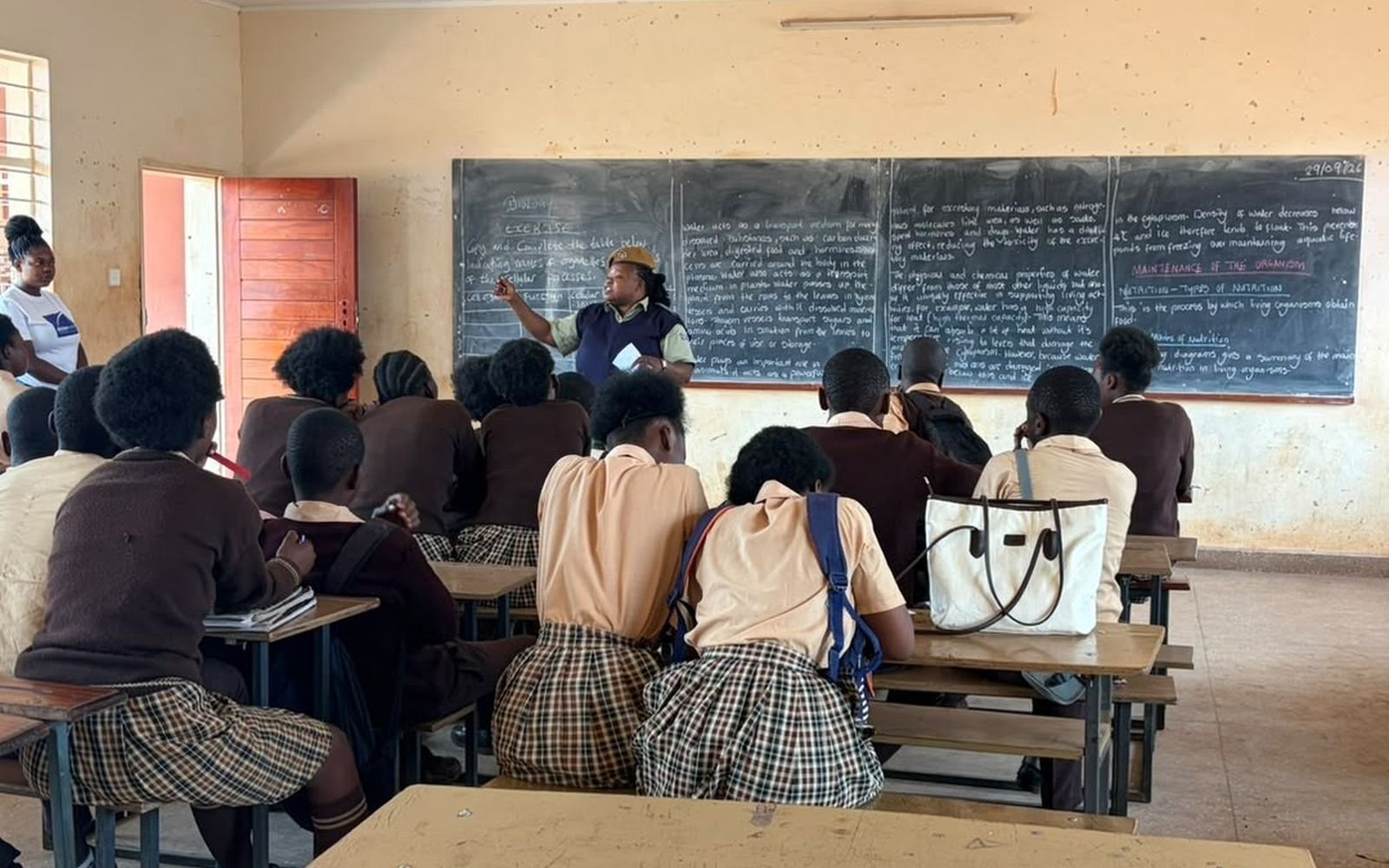
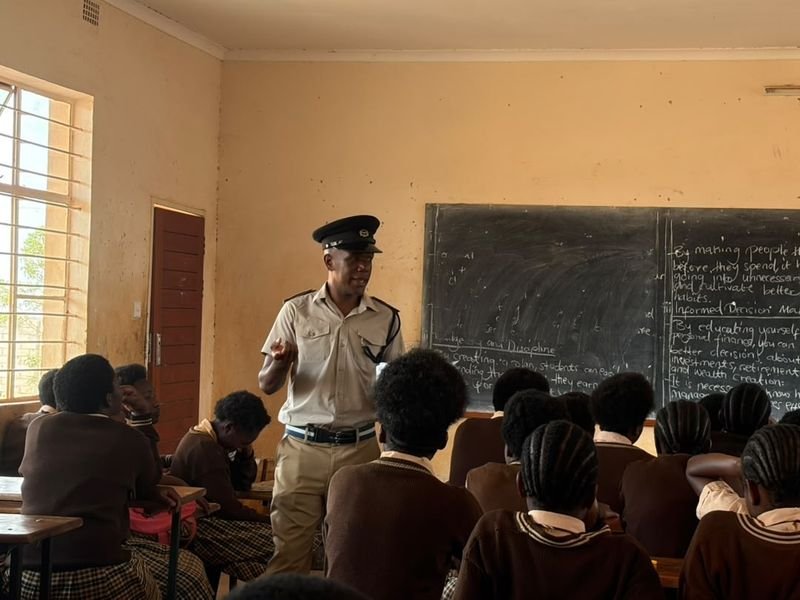
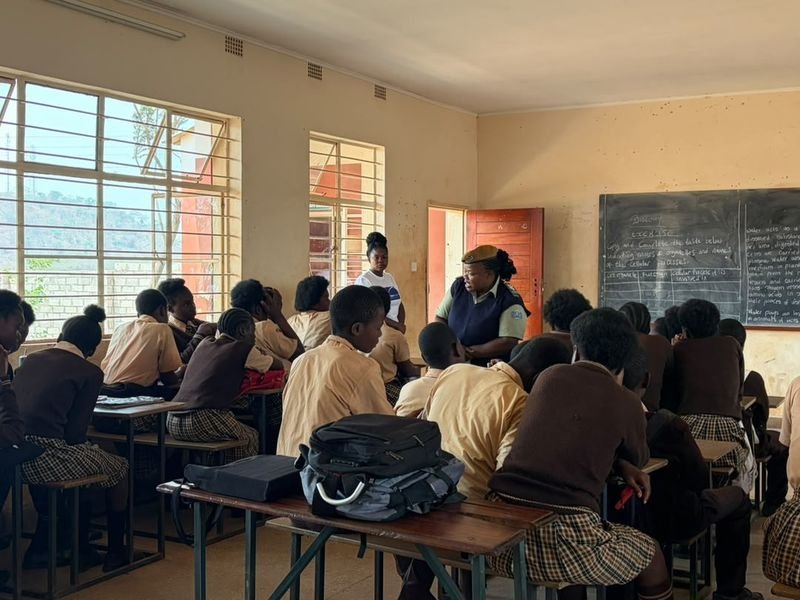
Working child by child revealed a consistent pattern. The barrier was rarely the complete absence of a service. It was often the absence of a birth record, a referral no one followed up, a cost no one had budgeted for, or no one to see the case through. Children with disabilities, girls, and children in informal settlements were among those most likely to be missed.
Over the following years, ActionReach developed relationships with churches, caregivers and community actors and learned how family circumstances, service access and exclusion intersect in the lives of individual children.
Reach across three areas of support
Between 2020 and 2025, ActionReach reported the following area-of-support counts. These figures demonstrate the breadth of the work during this period.
Measurement note: the 21,144 total is the sum of the three programme-area counts. It represents children reached by area of support and should not be described as a deduplicated count of unique children unless individual records confirm that children have been counted only once.
From response to structured last-mile delivery
By 2025, the lessons were clear: reaching a child does not, by itself, show whether that child’s circumstances have changed. Identifying a child, providing information or making a referral may be a vital first step, but it does not prove that the child received the service, overcame the barrier or remained safe and supported afterwards.
ActionReach shaped these lessons into the COUNT, GROW, THRIVE model: one record per child, a short case plan, follow-through with each relevant provider, and outcomes verified before a case is closed. On 1 July 2026, the Board approved the 2026–2031 plan, moving ActionReach from emergency response to structured last-mile delivery, beginning in Lusaka District.
The change is a change in method and accountability, not a departure from the original purpose. Churches and community relationships remain important ways to find children and build trust. The difference is that identification now leads into a more consistent pathway: understand the child’s circumstances, agree the actions required, coordinate with the responsible service providers, verify the result and follow up where appropriate.
Four lessons that shaped our model
Unseen children are unprotected children
Without a birth record, a child can be absent from plans, registers and services.
Churches open doors
Trusted faith networks can reach families that formal services may not reach easily.
A referral is not an outcome
Referrals can stall unless someone owns the case, follows up and confirms the result.
Systems change lasts longer
Strengthening public services and community systems benefits children beyond those ActionReach meets directly.
The model is an evolution in discipline, measurement and accountability, not a rejection of the early work. Community relationships remain the route by which many children may be found; the new operating system makes it more likely that identification leads to an agreed plan, completed action and verified progress.
From response to structured last-mile delivery
Emergency response and community reach
21,144 programme-area counts across three areas; church volunteers identified children isolated at home; support was delivered child by child and counted by area.
Structured last-mile delivery
Two entry points; one record and one plan per child; outcomes verified before case closure and checked at three and six months; ambition to reach 40,000 children directly, each counted once.
Building on, not erasing, the first five years
| What continues from 2020–2025 | What is strengthened from 2026 onwards |
|---|---|
| Faith-based motivation and commitment to every child’s dignity. | A clearly defined, rights-based operating model with measurable stages. |
| Churches and community actors as trusted pathways to children who are missed. | Two clear entry points: Birth Registration & Legal Identity and Lifeline. |
| Work across health and nutrition, education and child protection. | Three connected programme pillars supported by a consistent child-specific plan. |
| Practical support shaped by the realities families face. | Named actions, responsible parties, due dates and follow-through. |
| A commitment to reaching children experiencing exclusion. | Clear distinction between contact, referral, completed outcome and sustained progress. |
| Learning from individual children and families. | Consistent records, outcome verification, follow-up and organisational learning. |
Our journey and forward milestones
Phase 2 and Phase 3 are planned milestones, subject to evaluation, funding, readiness and Board approval. They are not unconditional commitments.
- April 2020
Incorporated during the COVID-19 response; churches helped reach children with disabilities in Kafue, Chongwe, Chawama and Kanyama.
- 2020–2025
Emergency response and community reach: 21,144 programme-area counts across health and nutrition, education and child protection; the COUNT, GROW, THRIVE model took shape.
- July 2026
The Board approved the 2026–2031 plan, which entered implementation in Lusaka District, starting in Kanyama and Chawama.
CURRENT IMPLEMENTATION - 2029
Mid-term evaluation and Board expansion decision; Phase 2 is planned to open in Chongwe and Kafue, subject to evaluation, readiness, funding and Board approval.
PLANNED EXPANSION - 2031
Target of 40,000 children reached directly, with a final evaluation; Phase 3 is planned for Northern, North-Western and Muchinga Provinces during 2031–2036, subject to dedicated funding and approval.
LONG-TERM POSSIBILITY
A story still being written
ActionReach’s next chapter is about proving that a focused, community-rooted approach can help more children move from being overlooked to being recognised, supported and able to thrive. We intend to grow responsibly, learn openly, work through Zambia’s own systems and report progress honestly. Our ambition is not to do everything ourselves. It is to help ensure that, when a child faces a barrier, someone notices, someone acts, and someone checks whether the action made a difference.
As the organisation grows, it will also need to protect the quality of this approach: safe caseloads, trained staff, clear supervision, secure digital case management, strong safeguarding procedures, service mapping and realistic budgets are prerequisites for expansion. ActionReach will expand only when readiness, funding and partner arrangements support responsible delivery.
Partner with us
No single organisation can remove every barrier a child faces. If your organisation shares our commitment to every child’s dignity and rights, we would welcome a conversation.